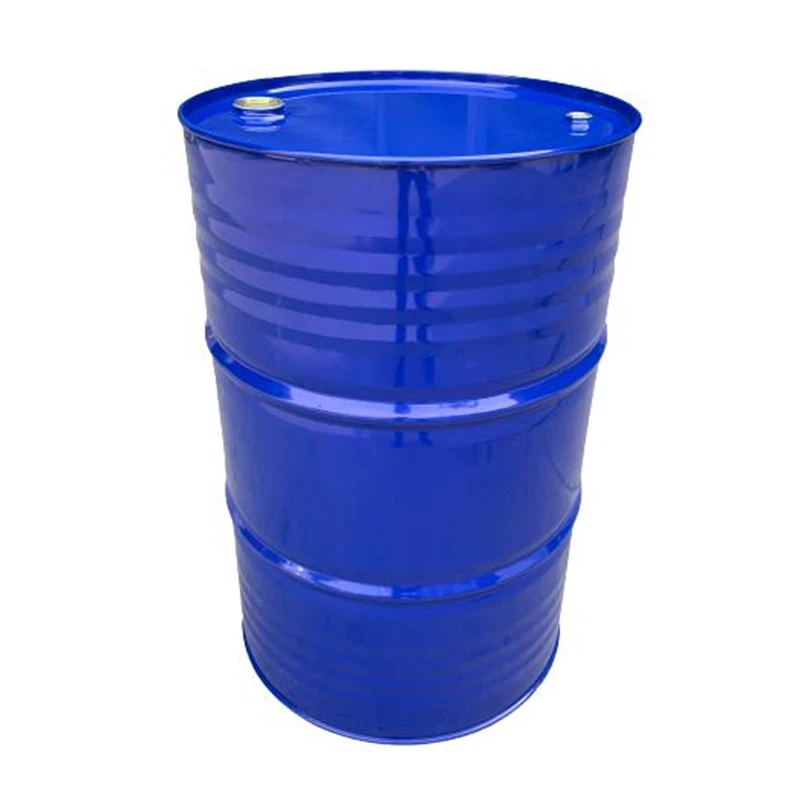

As packaging requirements continue to evolve across manufacturing, warehousing, transportation, and production operations, selecting the right cylindrical bucket has become an increasingly important consideration. Products differ in weight, volume, storage conditions, and sealing requirements, so a suitable container should be chosen based on more than appearance or price. Material compatibility, capacity, structural strength, sealing performance, and the intended application should all be evaluated before making a decision.
The first step is to identify the characteristics of the material being packaged. Plastic and metal cylindrical buckets are available for different applications. Plastic models are generally lightweight, corrosion-resistant, and easy to process, while metal versions typically offer greater mechanical strength and impact resistance. When packaging chemically active materials, particular attention should be given to compatibility between the container material and its contents to reduce the risk of deformation or performance degradation during prolonged contact.
Capacity is another important consideration. The bucket should be appropriately sized according to the product's weight, volume, and frequency of use. A container that is too small may increase the number of packages and handling operations, while an oversized container can result in unnecessary material consumption, storage requirements, and transportation costs. For products that require frequent access, the size of the opening and the closure design should also be considered to ensure convenient operation.
Structural strength directly affects packaging reliability. During selection, key areas such as the side walls, base, and rim should be carefully examined. The container should have a consistent structure and be free from obvious cracks, deformation, or manufacturing defects. For products that will be transported over long distances or stored in stacks, a model with suitable load-bearing capacity and structural stability should be prioritized.
Sealing performance should not be overlooked. The lid should fit securely with the rim and remain stable after closure. For liquids or products that are sensitive to external conditions, the quality of sealing rings and other closure components deserves particular attention. Where the application involves demanding conditions, appropriate sealing performance should be verified before regular use.
Handling and storage requirements should also influence the selection. For containers that need to be moved frequently by hand, a sturdy handle can make daily operations more convenient. For long-term storage, the container material should be suitable for the expected temperature, humidity, light exposure, and other environmental conditions.
Overall, choosing a cylindrical bucket should begin with the actual packaging requirements and involve a comprehensive assessment of material, capacity, structure, sealing, handling, and storage conditions. Selecting a container that matches the characteristics of the product can help maximize packaging performance while providing reliable protection during storage, transportation, and everyday use.