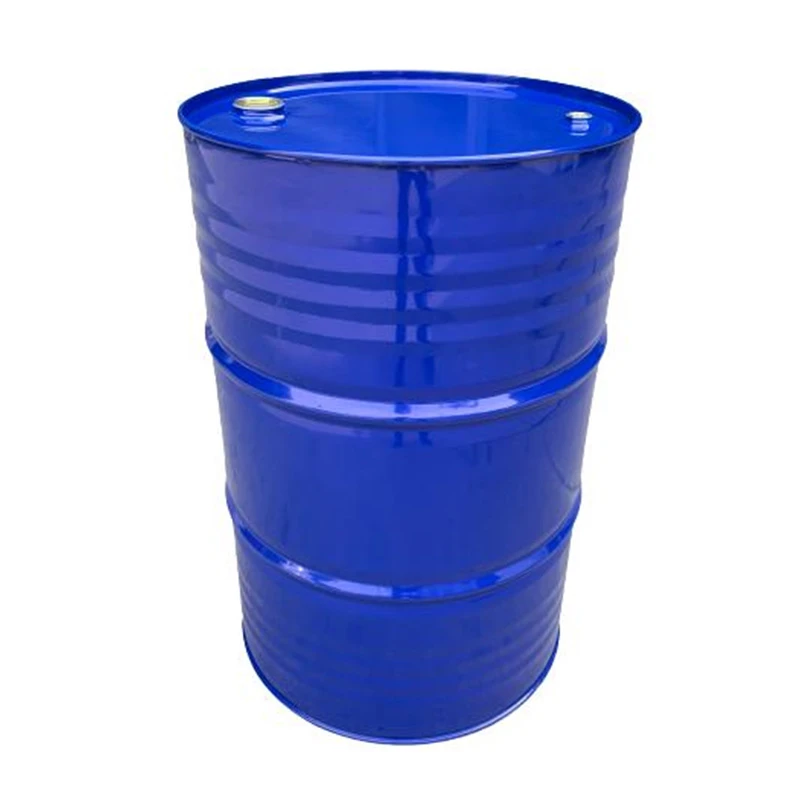

As industrial manufacturing, logistics, and consumer markets continue to evolve, the cylindrical bucket industry is undergoing significant changes. In the past, businesses primarily focused on capacity, price, and basic load-bearing performance when selecting cylindrical buckets. Today, packaging safety, production efficiency, environmental performance, material efficiency, and customization are becoming increasingly important. In response to these changing requirements, the industry is moving toward lightweight construction, functional design, smart manufacturing, and more sustainable packaging solutions.
Lightweight construction has become one of the most important trends in cylindrical bucket manufacturing. By optimizing container geometry, improving material formulations, and refining forming processes, manufacturers can reduce material consumption while maintaining the required level of structural performance. Lighter containers can reduce raw material usage while also making manual handling and transportation more efficient.
Functional design is also gaining importance. Different products have different requirements for sealing, corrosion resistance, impact resistance, and environmental durability. As a result, cylindrical buckets are increasingly being designed around specific applications rather than relying solely on standardized configurations. Features such as lids, handles, reinforcing structures, and sealing components are being refined to improve usability and adapt to a wider range of industries.
Smart manufacturing is another factor reshaping production. Automated forming equipment, precision tooling, and online inspection systems can improve production efficiency while reducing errors associated with manual operations. Digital production management also allows manufacturers to analyze manufacturing data, strengthen quality control, and achieve greater consistency across production batches.
Sustainability is expected to remain a long-term priority for the industry. More efficient material selection, optimized container structures, and greater attention to recycling and reuse can help reduce resource consumption and packaging waste. Manufacturers will increasingly need to balance product performance, production costs, and environmental considerations when developing new cylindrical bucket solutions.
Customization is also becoming more prominent. Depending on the product and brand identity, businesses can customize bucket capacity, color, appearance, printed information, and structural features. This allows the container to serve not only as a means of storage and transportation but also as a useful platform for product identification and brand communication.
Overall, the cylindrical bucket industry is gradually moving beyond conventional standardized packaging toward lightweight, functional, intelligent, and sustainable solutions. As materials, manufacturing equipment, and inspection technologies continue to advance, cylindrical buckets are expected to deliver improved efficiency and overall performance while maintaining their practical and reliable characteristics. This evolution will provide increasingly efficient, dependable, and environmentally responsible packaging solutions for a wide range of industries.