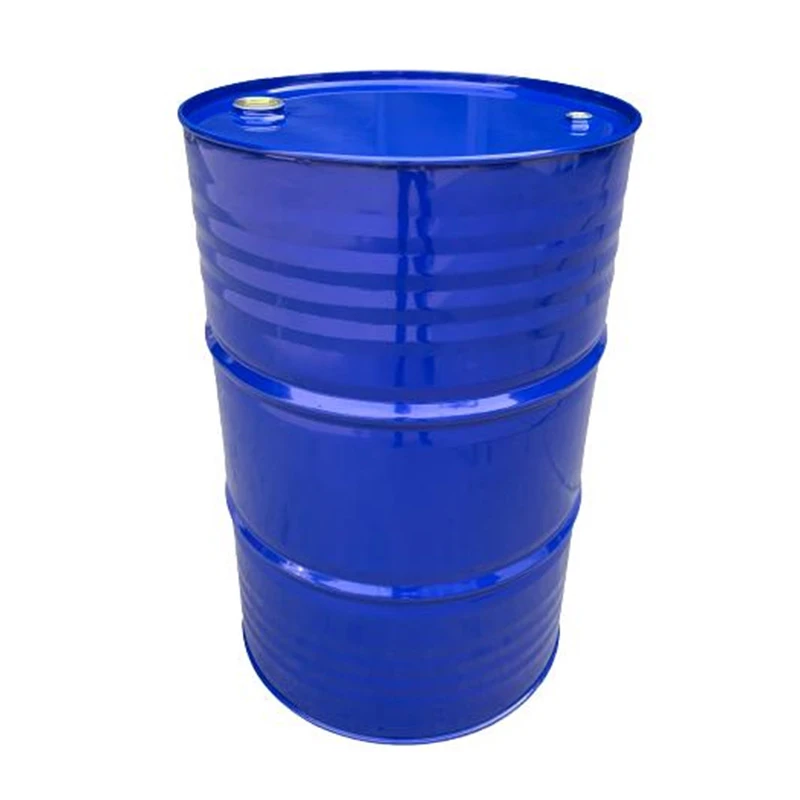

As demand for industrial packaging continues to grow, cylindrical buckets are widely used for paints, chemicals, food ingredients, lubricants, agricultural materials, and other products because of their stable structure, flexible capacity, and convenient handling. Producing a reliable cylindrical bucket involves several stages, including material preparation, forming, structural processing, component assembly, surface finishing, and quality inspection. A well-controlled manufacturing process affects not only the appearance of the container but also its structural strength, sealing performance, and service life.
Production begins with the preparation of raw materials. Manufacturers select suitable plastics, metals, or other packaging materials according to the intended application. The materials are then inspected and prepared for processing. Factors such as strength, toughness, corrosion resistance, and compatibility with the packaged contents are carefully considered to ensure that the material is suitable for the final application.
The next stage is forming the main bucket body. Plastic cylindrical buckets are commonly produced through processes such as injection molding or blow molding, in which the material is shaped using precision tooling. Metal cylindrical buckets may be manufactured through processes such as stamping, rolling, and welding. During forming, parameters including temperature, pressure, tooling dimensions, and machine settings must be carefully controlled to maintain consistent dimensions and wall thickness.
After the main body is formed, additional processing is carried out on the rim, base, and other functional areas. Depending on the design, reinforcing ribs or handle attachment points may be incorporated to improve load-bearing performance and handling convenience. For applications requiring reliable sealing, the dimensions of the rim must be precisely controlled to ensure a secure fit with the lid.
Surface finishing and printing are carried out after the main structural work is completed. Depending on customer requirements, cylindrical buckets can be produced in different colors and customized with printed graphics or labels. Brand names, product specifications, handling information, and other details can be displayed clearly on the surface, making products easier to identify during storage and distribution.
The final stage is quality inspection. Finished cylindrical buckets are checked for appearance, dimensions, structural integrity, and sealing performance according to the applicable requirements. Additional evaluations, such as load-bearing or compression testing, may also be conducted when required by the intended application. Only containers that meet the specified quality criteria should proceed to packaging and shipment.
Overall, cylindrical bucket manufacturing is a systematic process that combines materials, equipment, production techniques, and quality management. By controlling each stage carefully and adopting automated equipment and precision inspection technologies, manufacturers can improve product consistency and production efficiency while providing reliable packaging containers for a wide range of industries.