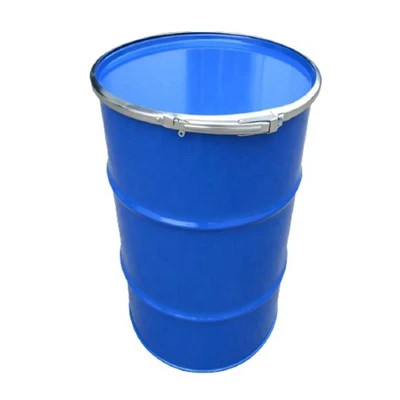


In the industrial and commercial sectors, the question of whether metal steel drums are shock-resistant is a crucial one. As a leading metal steel drum supplier, I've witnessed firsthand the diverse applications and challenges these drums face. This blog post aims to delve into the shock resistance of metal steel drums, exploring the factors that contribute to it and the real-world implications for our customers.
Understanding Shock Resistance in Metal Steel Drums
Shock resistance refers to a material or object's ability to withstand sudden impacts or forces without significant damage. In the context of metal steel drums, this characteristic is vital for ensuring the safe transportation and storage of various substances, including liquids, powders, and solids.
The shock resistance of metal steel drums is primarily determined by the quality of the steel used in their construction. High-grade steel, such as carbon steel with added alloys, offers better strength and durability. These alloys enhance the steel's ability to absorb and distribute the energy from an impact, reducing the risk of dents, cracks, or leaks.
Another important factor is the thickness of the steel. Thicker steel walls can provide greater resistance to shocks. However, it's a balance between thickness and weight, as overly thick drums can be cumbersome and increase transportation costs. We carefully select the appropriate steel thickness for each type of drum based on its intended use.
Testing and Certification
To ensure the shock resistance of our metal steel drums, we subject them to rigorous testing procedures. These tests simulate real-world scenarios, such as drops, impacts during handling, and vibrations during transportation.
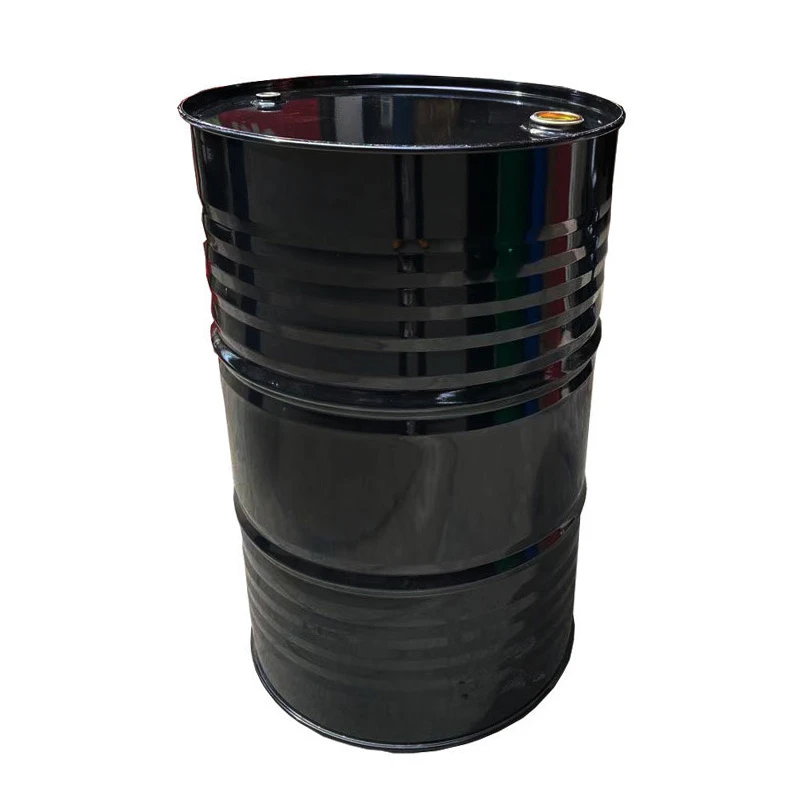
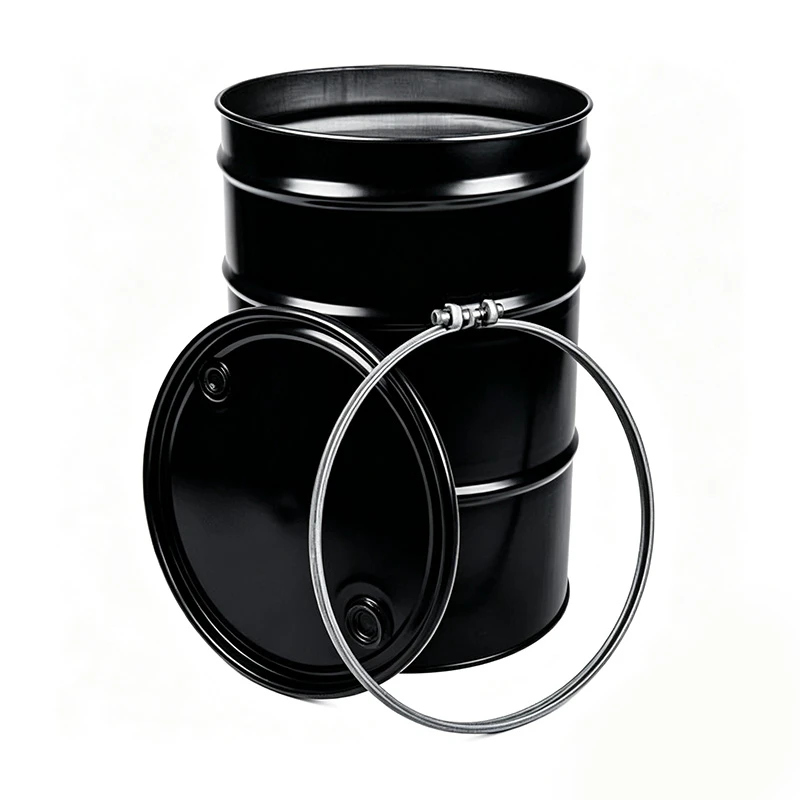
For example, we conduct drop tests from a specified height to evaluate the drum's ability to withstand sudden impacts. The drums are filled with a representative load and dropped onto a hard surface at different angles. After the drop, we inspect the drums for any signs of damage, such as dents, cracks, or leaks.
In addition to in-house testing, our drums also meet various international standards and certifications. These standards, such as UN certification, ensure that our drums are safe for the transportation of hazardous materials. The UN certification process involves a series of tests, including shock tests, to verify the drum's ability to withstand the rigors of transportation.
Real-World Applications
The shock resistance of metal steel drums makes them suitable for a wide range of applications. In the chemical industry, for example, these drums are used to transport and store hazardous chemicals. The ability to withstand shocks ensures that the chemicals remain safely contained, reducing the risk of spills and environmental contamination.
In the food and beverage industry, metal steel drums are used for the storage and transportation of liquids, such as oils and syrups. The shock resistance of the drums helps protect the contents from damage during handling and transportation, ensuring the quality and integrity of the products.
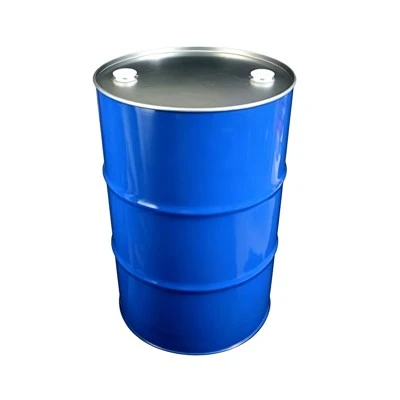
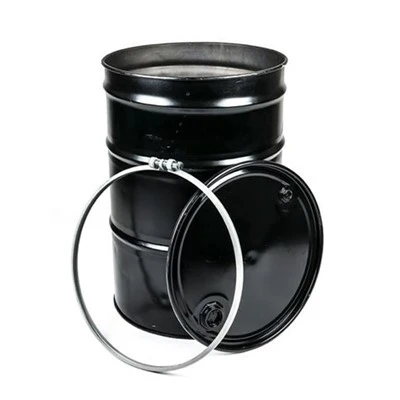
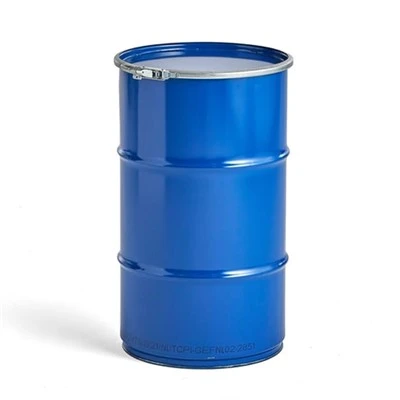
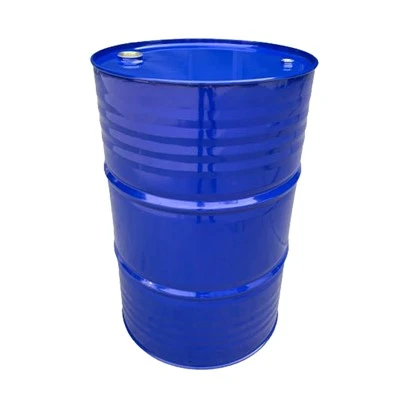
Our 55 Gallon Open Top Steel Drum is a popular choice for many industries. Its open-top design allows for easy loading and unloading, while its shock-resistant construction ensures the safe transportation of various materials. Similarly, the Unlined 55 Gallon Steel Drum is suitable for storing and transporting non-corrosive liquids and solids.
Comparing with Other Materials
When compared to other materials, such as plastic drums, metal steel drums offer superior shock resistance. Plastic drums are more prone to cracking and deformation under impact, especially in cold temperatures. Metal steel drums, on the other hand, can withstand higher levels of stress without breaking.
However, plastic drums have their own advantages, such as being lighter in weight and more resistant to corrosion in certain environments. The choice between metal and plastic drums depends on the specific requirements of the application.
Maintaining Shock Resistance
To ensure the long-term shock resistance of metal steel drums, proper maintenance is essential. Regular inspections should be carried out to check for any signs of damage, such as dents, scratches, or rust. Minor damage can be repaired, but if the damage is extensive, the drum should be replaced.
It's also important to handle the drums with care during loading, unloading, and transportation. Using appropriate equipment, such as forklifts and pallet jacks, can help prevent unnecessary shocks and impacts.
Conclusion
In conclusion, metal steel drums are highly shock-resistant, thanks to the quality of the steel used in their construction, the appropriate thickness of the walls, and rigorous testing procedures. This shock resistance makes them suitable for a wide range of applications, from the transportation of hazardous chemicals to the storage of food and beverages.
If you're in the market for high-quality, shock-resistant metal steel drums, we'd love to hear from you. Our range of products includes the 55 Gallon Open Top Steel Drum with Lid, the 200l Tight-head Steel Drum, and the Metal Fuel Barrel. Contact us today to discuss your specific requirements and how our metal steel drums can meet your needs.
References
- ASTM International. (Year). Standard Specification for Steel Drums. Retrieved from [no link provided]
- United Nations. (Year). Recommendations on the Transport of Dangerous Goods. Retrieved from [no link provided]