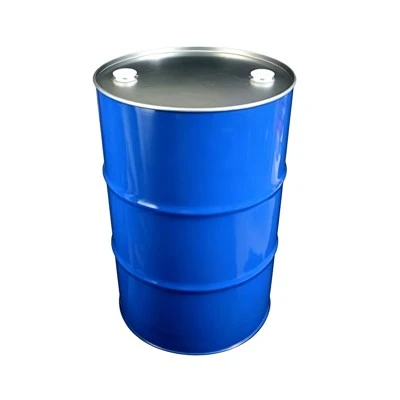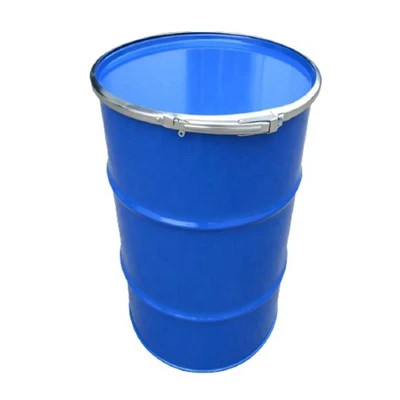


As a seasoned supplier of metal barrels, I've encountered numerous inquiries from clients regarding the behavior of these containers in different environmental conditions. One question that frequently surfaces is, "Do metal barrels expand in hot weather?" In this blog post, I'll delve into the science behind this phenomenon, explore its implications for metal barrel users, and provide practical insights based on my experience in the industry.
The Science of Thermal Expansion
To understand whether metal barrels expand in hot weather, we first need to grasp the concept of thermal expansion. All materials, including metals, expand when heated and contract when cooled. This behavior is governed by the fundamental principle that an increase in temperature causes the atoms and molecules within a material to vibrate more vigorously, leading to an increase in the average distance between them.
The extent of thermal expansion varies depending on the material's coefficient of thermal expansion (CTE), which is a measure of how much a material expands or contracts per unit length for a given change in temperature. Different metals have different CTE values; for example, aluminum has a relatively high CTE, while steel has a lower one.
When it comes to metal barrels, the most common materials used are steel and aluminum. Steel barrels are known for their strength, durability, and resistance to corrosion, making them a popular choice for storing a wide range of products, from chemicals and fuels to food and beverages. Aluminum barrels, on the other hand, are lighter and more resistant to certain types of corrosion, making them ideal for applications where weight is a concern or where the contents are sensitive to rust.
Does Expansion Occur in Metal Barrels?
The short answer is yes, metal barrels do expand in hot weather. As the temperature rises, the metal atoms in the barrel's walls gain kinetic energy and start to vibrate more rapidly, causing the metal to expand. This expansion occurs in all directions, leading to an increase in the barrel's volume.
The amount of expansion depends on several factors, including the type of metal, the initial temperature, the temperature increase, and the dimensions of the barrel. For example, a larger barrel will generally expand more than a smaller one, and a barrel made of a metal with a higher CTE will expand more than one made of a metal with a lower CTE.
To illustrate this, let's consider a steel barrel with a volume of 200 liters. If the temperature of the barrel increases by 20 degrees Celsius, the volume of the barrel will increase by approximately 0.12 liters, assuming a CTE of 12 x 10^-6 per degree Celsius for steel. While this may seem like a small amount, it can have significant implications for certain applications, especially those that require precise volume measurements or where the expansion could cause the barrel to rupture or leak.
Implications of Expansion for Metal Barrel Users
The expansion of metal barrels in hot weather can have several implications for users. One of the most obvious concerns is the potential for overfilling. If a barrel is filled to its maximum capacity on a cool day and then exposed to hot weather, the expansion of the metal can cause the contents to overflow. This not only creates a mess but can also pose a safety hazard, especially if the contents are flammable, toxic, or corrosive.
To avoid overfilling, it's important to leave some headspace in the barrel when filling it, especially if it will be exposed to varying temperatures. The amount of headspace required will depend on the type of material being stored, the expected temperature range, and the dimensions of the barrel. As a general rule of thumb, it's recommended to leave at least 5-10% headspace in the barrel to allow for expansion.
Another concern is the potential for the barrel to rupture or leak due to excessive pressure build-up. If the expansion of the metal causes the pressure inside the barrel to exceed its design limits, the barrel could rupture or develop leaks. This can be especially dangerous if the contents are hazardous, as it can lead to spills, fires, or explosions.
To prevent this from happening, it's important to ensure that the barrels are designed and manufactured to withstand the expected temperature and pressure conditions. This may involve using thicker walls, stronger seams, or pressure relief devices. It's also important to follow the manufacturer's guidelines for storage and handling, and to regularly inspect the barrels for signs of damage or wear.
Addressing Expansion Concerns in Metal Barrel Design
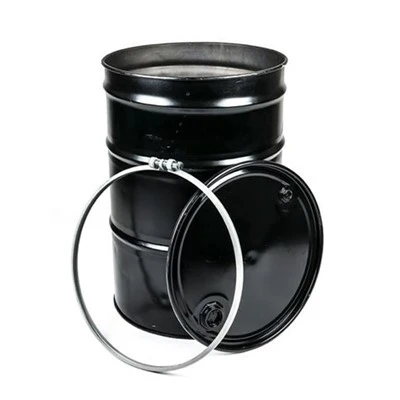
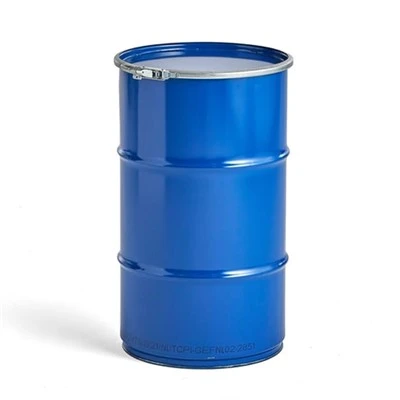
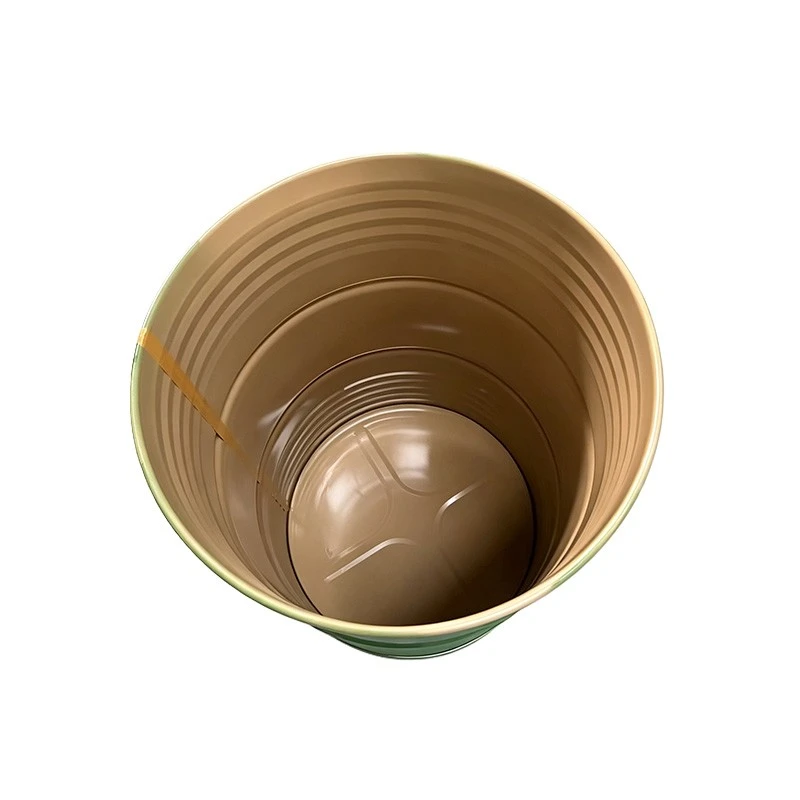
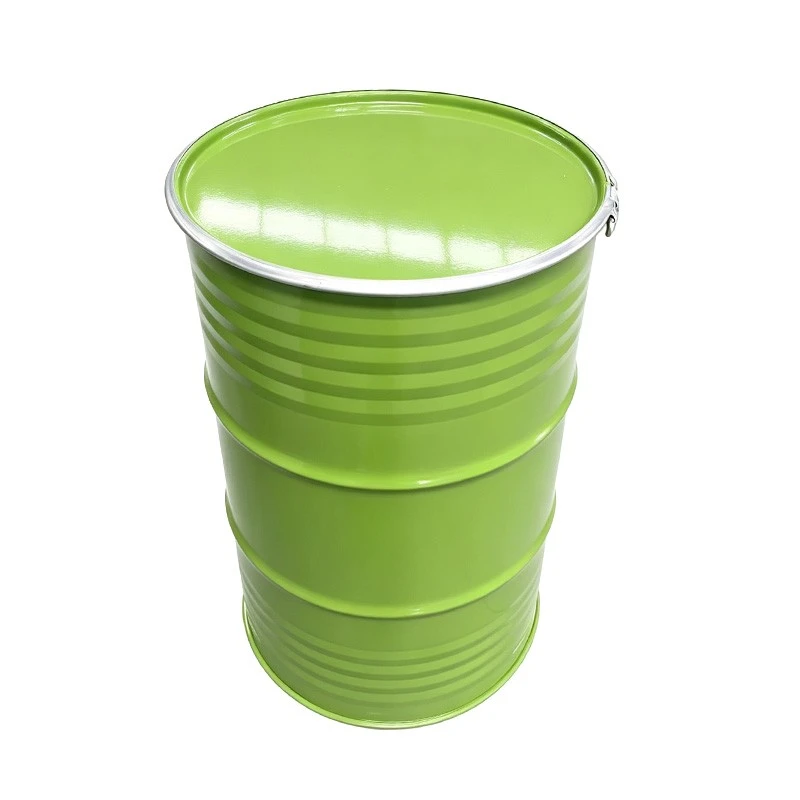
As a metal barrel supplier, we take great care to design and manufacture our barrels to withstand the effects of thermal expansion. Our 200l Open-head Steel Drum, for example, is constructed from high-quality steel with a low coefficient of thermal expansion, which helps to minimize the amount of expansion that occurs in hot weather. The drums are also equipped with a sturdy lid and a tight-fitting seal to prevent leaks and to ensure that the contents are safely contained.
In addition to using high-quality materials, we also pay close attention to the design of our barrels to ensure that they can accommodate the expansion that does occur. This may involve using a slightly larger diameter or a taller height than would be required for a static application, or incorporating features such as expansion joints or flexible seals to allow for movement.
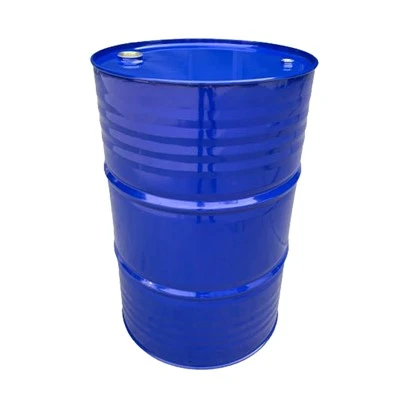
We also offer a range of other metal barrels to meet the diverse needs of our customers. Our 50l Metal Drum is a popular choice for smaller applications, while our Metal Gas Barrel is specifically designed for storing and transporting gasoline and other fuels. We also offer Open Top Steel Barrels and Metal Steel Drum in a variety of sizes and configurations to suit different industries and applications.
Conclusion and Call to Action
In conclusion, metal barrels do expand in hot weather due to the phenomenon of thermal expansion. While this expansion is generally small, it can have significant implications for certain applications, especially those that require precise volume measurements or where the expansion could cause the barrel to rupture or leak.
As a metal barrel supplier, we understand the importance of designing and manufacturing our barrels to withstand the effects of thermal expansion. We use high-quality materials, pay close attention to the design of our barrels, and offer a range of products to meet the diverse needs of our customers.
If you're in the market for metal barrels, we encourage you to contact us to discuss your specific requirements. Our team of experts can help you choose the right barrel for your application and provide you with all the information you need to ensure its safe and effective use. Whether you're storing chemicals, fuels, food, or beverages, we have the solution to meet your needs.
References
- Ashby, M. F., & Jones, D. R. H. (2012). Engineering Materials 1: An Introduction to Properties, Applications and Design. Butterworth-Heinemann.
- Young, H. D., & Freedman, R. A. (2015). University Physics with Modern Physics. Pearson.
- Incropera, F. P., DeWitt, D. P., Bergman, T. L., & Lavine, A. S. (2007). Fundamentals of Heat and Mass Transfer. John Wiley & Sons.