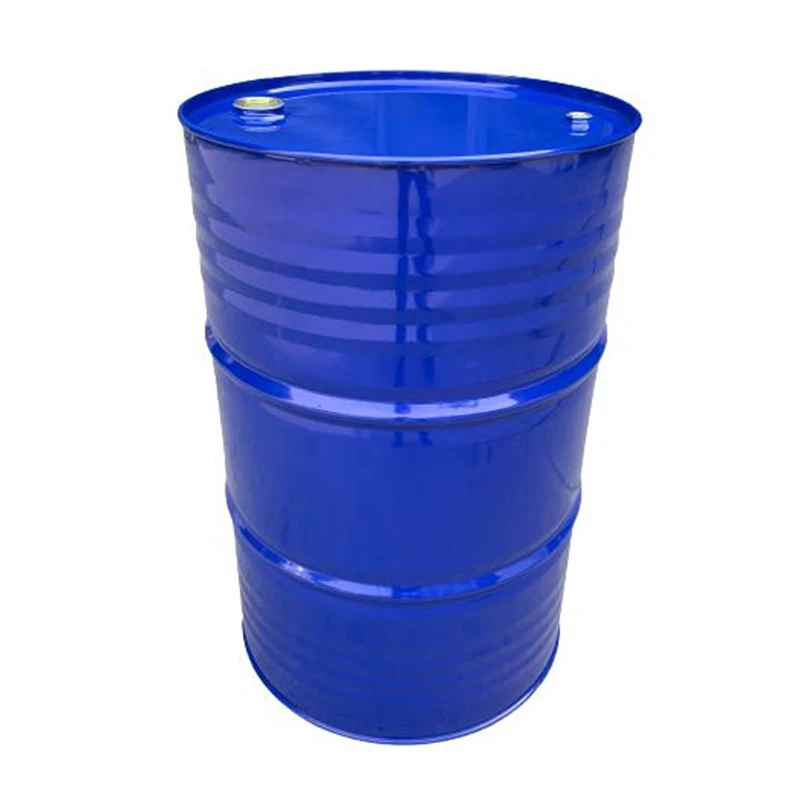

As cylindrical buckets become increasingly common in industrial packaging, warehousing, transportation, and manufacturing operations, businesses are placing greater emphasis on consistent quality and reliable performance. Performance testing is an important part of cylindrical bucket production and quality management because it helps manufacturers evaluate how a container performs under expected operating conditions. A systematic testing program can identify potential issues related to materials, forming, sealing, and structural integrity, providing a solid foundation for quality control.
Visual inspection is the starting point of cylindrical bucket testing. Inspectors typically examine the surface of the container for cracks, holes, significant deformation, burrs, or other manufacturing defects. The rim, base, and connection areas should also be checked for structural integrity. For buckets with printed graphics or labels, the clarity and adhesion of the markings can also be evaluated to ensure that important product information remains easy to identify.
Dimensional inspection is used to verify that the bucket conforms to its specified design requirements. Parameters such as overall height, diameter, rim dimensions, and base geometry can affect assembly, stacking, and practical use. Accurate measurement with appropriate inspection tools can help reduce dimensional inconsistencies and improve uniformity across production batches.
Structural strength testing is another important part of the evaluation process. Depending on the intended application, the bucket may be assessed for load-bearing capacity, compression resistance, or impact performance. The purpose is to determine whether the container can withstand specified conditions without excessive deformation or damage. For buckets intended for stacked storage or long-distance transportation, structural testing can provide useful information for developing appropriate logistics and storage practices.
Sealing performance testing focuses on the lid, rim, and associated sealing components. Appropriate test methods can be used to determine whether the container maintains a stable closure after sealing, helping reduce the risk of leakage and limiting the entry of dust or moisture. Reliable sealing is particularly important when cylindrical buckets are used for liquids or products that are sensitive to environmental exposure.
Depending on the intended application, additional evaluations may include temperature resistance, environmental durability, and material compatibility. Testing requirements should be established according to the actual purpose and operating conditions of the cylindrical bucket rather than applying exactly the same testing program to every product.
Overall, cylindrical bucket performance testing can cover appearance, dimensions, structural strength, sealing performance, and material suitability. A comprehensive and standardized testing process helps improve product consistency, identify manufacturing issues at an early stage, and provide greater confidence during storage, transportation, and use. With the continued development of automated inspection and smart manufacturing technologies, cylindrical bucket quality testing is expected to become increasingly precise and efficient.