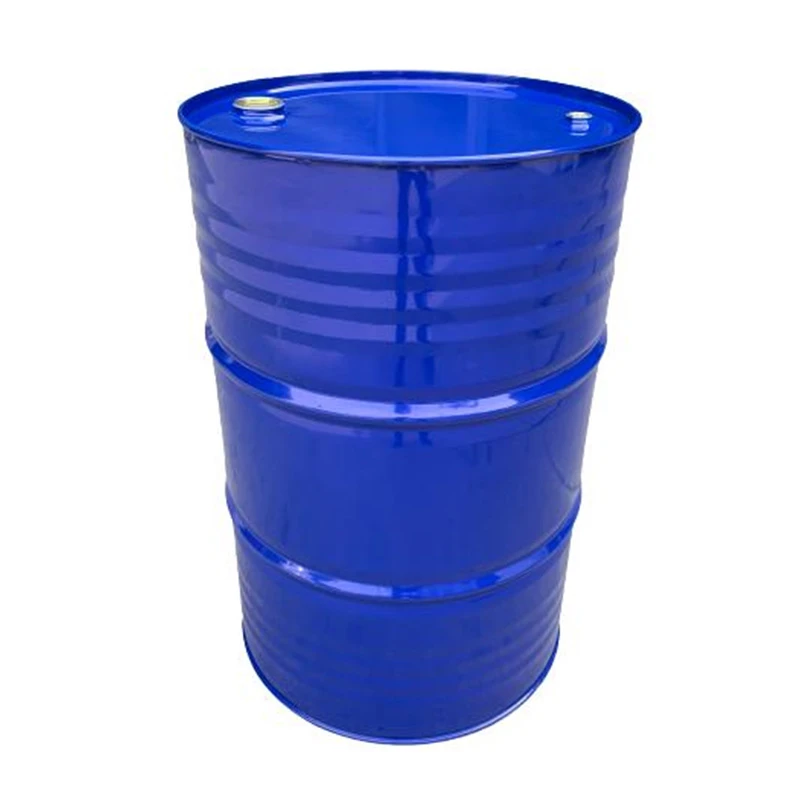

As cylindrical buckets become increasingly common in industrial packaging, warehousing, transportation, and manufacturing operations, routine maintenance has become an important part of container management. Proper maintenance helps keep the bucket body, lid, and sealing components in good condition while allowing potential problems to be identified at an early stage. For cylindrical buckets used repeatedly or over an extended period, a consistent maintenance routine can help reduce the risk of leakage, deformation, and transportation-related damage.
Routine maintenance should begin with a visual inspection. The bucket body should be checked regularly for cracks, dents, significant deformation, or other visible abnormalities. The base should also be inspected to ensure that the container remains stable. If a bucket has been subjected to a strong impact, it should be examined carefully before being returned to service, as damage may not always be immediately obvious.
The lid and sealing components also require particular attention. Before and after use, check the lid for cracks, deformation, or signs that it has not been properly fitted. For buckets equipped with sealing rings, inspect the rings for aging, cracking, loss of elasticity, or other signs of deterioration. Worn or damaged sealing components should be replaced promptly to maintain reliable closure performance.
Cleaning is another essential part of routine maintenance. After use, the appropriate cleaning method should be selected according to the bucket material and the type of residue inside it. Cleaning agents or tools that could damage the container material should be avoided. After cleaning, the bucket should be thoroughly dried before storage to minimize the effects of moisture on the container and its components. For food-related or hygiene-sensitive applications, particular attention should be paid to consistent cleaning procedures.
Storage conditions can also affect the condition of cylindrical buckets. The storage environment should be appropriate for the material, with prolonged exposure to excessive heat, direct sunlight, or other conditions that may reduce material performance avoided whenever necessary. When buckets are stacked, the height should be kept within a reasonable range, and the supporting surface should remain stable to prevent long-term compression and deformation.
Proper handling is equally important. Dragging, dropping, and severe impacts should be avoided during transportation. For buckets equipped with handles, the connection between the handle and the container should be inspected regularly to ensure that it remains secure and undamaged. For reusable cylindrical buckets, businesses may also benefit from keeping basic maintenance records covering usage, observed problems, and maintenance actions.
Overall, effective cylindrical bucket maintenance focuses on visual inspection, sealing component care, proper cleaning, suitable storage, and careful handling. By identifying problems early and taking appropriate corrective action, users can help preserve container performance, reduce packaging losses, and extend the practical service life of cylindrical buckets while supporting safer and more reliable storage and transportation.