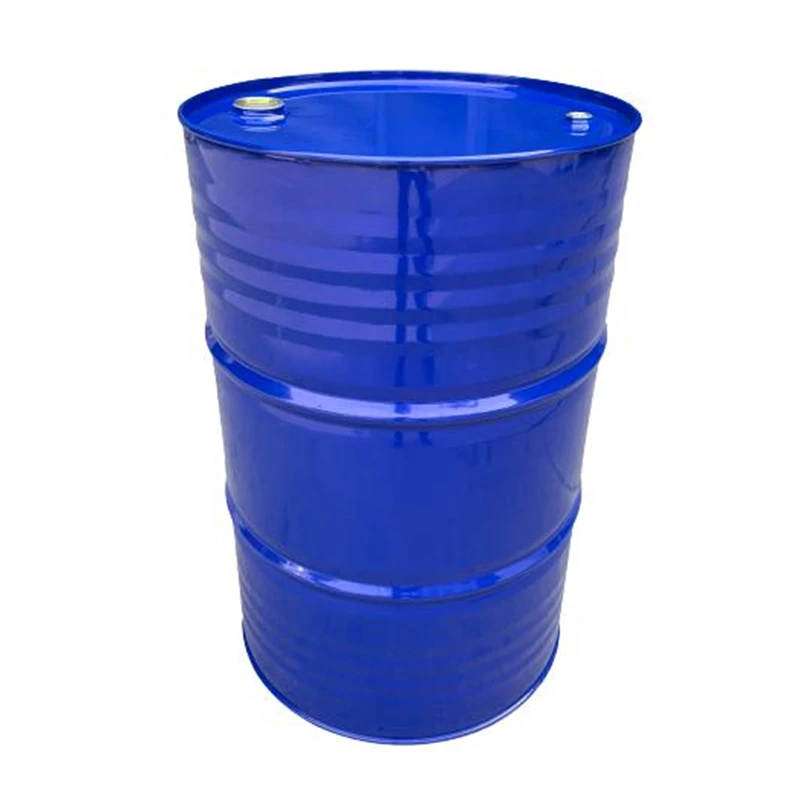

As modern packaging requirements continue to evolve, the design philosophy behind cylindrical buckets is moving beyond basic containment toward greater safety, practicality, cost efficiency, and environmental responsibility. Widely used for paints, chemicals, food ingredients, lubricants, agricultural materials, and other products, cylindrical buckets must provide reliable structural performance while also supporting sealing, transportation, handling, and storage. A well-considered design approach enables these containers to perform consistently across a wide range of applications.
Structural stability is one of the fundamental principles of cylindrical bucket design. The cylindrical body helps distribute pressure from the contents relatively evenly across the container wall, which can reduce localized stress. During the design process, factors such as wall thickness, base construction, and rim strength must be carefully considered to ensure that the container remains stable during normal use and transportation. For applications involving stacked storage, critical load-bearing areas can be further reinforced to improve overall strength.
Ease of use is another important design priority. Designers need to consider real-world handling requirements when developing features such as lids, handles, and rims. Practical design can make filling, opening, pouring, and carrying more convenient. For products that are accessed frequently, an easy-to-open and secure closure can reduce handling time while improving the overall user experience.
Sealing performance is also a key consideration. Optimizing the connection between the lid and rim, together with selecting suitable sealing components based on the application, can help reduce the risk of leakage and external contamination. The compatibility between the packaging material and its contents should also be carefully evaluated to ensure reliable performance throughout storage and transportation.
Cost efficiency has become increasingly important in modern container design. By optimizing the bucket structure and material distribution, manufacturers can reduce overall weight while maintaining the required level of strength. This can lower raw material consumption and reduce handling and transportation costs. Standardized structural design can also improve manufacturing efficiency and product consistency.
Environmental considerations are becoming an increasingly important part of cylindrical bucket development. More efficient material selection, lightweight construction, and designs that support recycling or repeated use can help reduce packaging resource consumption. As advanced materials and smart manufacturing technologies continue to develop, future cylindrical bucket designs are likely to place greater emphasis on balancing functionality with environmental responsibility.
Overall, the design philosophy of cylindrical buckets centers on stability, safety, convenience, cost efficiency, and sustainability. Through structural optimization and technological innovation, cylindrical buckets can better adapt to diverse packaging requirements while providing more efficient, reliable, and practical solutions for modern industries.